Interior Selective Demolition In Detroit MI
Interior selective demolition in Detroit, MI, is reshaping the landscape of metropolitan revival. This method enables for the careful removal of non-structural elements, maintaining the character of historic buildings. It uses financial benefits and promotes sustainability via material reuse. A number of effective tasks highlight its potential. Nevertheless, the effects of this strategy extend beyond mere aesthetics. Recognizing the broader influence on the neighborhood and setting elevates vital inquiries for Detroit's future.

The Benefits of Interior Selective Demolition
Interior selective demolition provides numerous benefits for residential property owners and designers in Detroit, MI. This process enables certain removal of non-structural components, such as walls, fixtures, and floor covering, without jeopardizing the integrity of the general structure. By targeting just the locations that need remodelling, residential or commercial property owners can conserve time and lower costs connected with full demolition.
Furthermore, selective demolition promotes sustainability by permitting for the salvage and recycling of materials, consequently minimizing waste. This ecologically aware method straightens with the growing pattern of environment-friendly construction techniques. Furthermore, selective demolition can promote quicker project timelines, as it normally includes much less disruption to surrounding locations contrasted to extensive demolition efforts.
Inevitably, the strategic application of interior selective demolition improves the performance of renovation projects, leading to boosted capability and visual allure for existing buildings in Detroit's evolving metropolitan landscape. (legendary demolition detroit contractor)
Key Considerations for Selective Demolition Projects
When intending a selective demolition task, a number of vital considerations must be resolved to ensure its success. To start with, comprehensive evaluations of the existing structure are vital to determine products that call for elimination and those that must be maintained. Recognizing regulative demands, including permits and safety and security codes, is basic to make certain conformity and prevent legal problems.
Moreover, creating a thorough strategy that describes the scope of job, timelines, and spending plan is vital for effective project monitoring. Involving seasoned experts can mitigate threats related to hazardous products, such as asbestos or lead.
The Process of Selective Demolition Explained
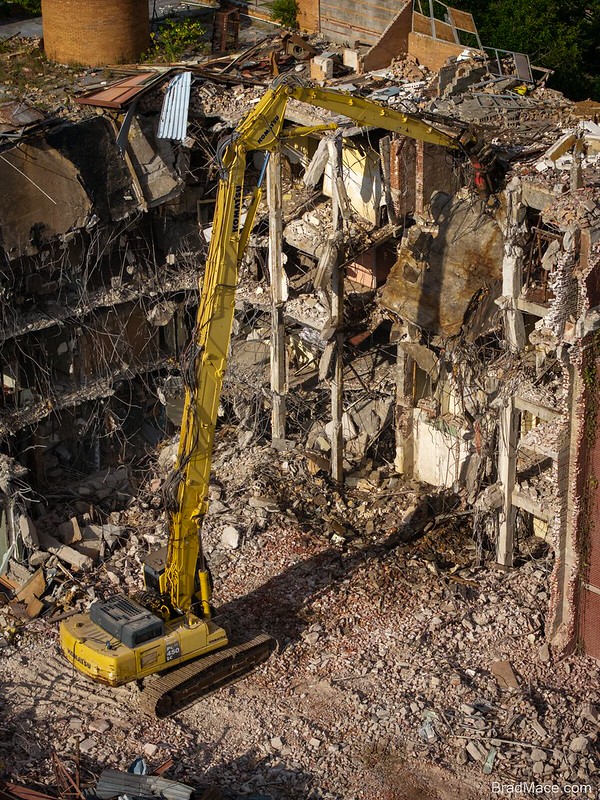
Selective demolition involves a methodical technique that focuses on the cautious removal of particular structural elements while preserving the integrity of the surrounding environment. The procedure starts with a thorough assessment of the website, recognizing which elements need to be removed and which need to be kept. Following this assessment, a detailed demolition strategy is created, laying out precaution and waste monitoring methods.
When the plan remains in location, the demolition team prepares the website by safeguarding essential permits and guaranteeing that utilities are disconnected. The real demolition process uses specialized tools and strategies to take down targeted frameworks, such as walls, components, and ceilings, reducing waste and sound. Throughout the operation, mindful tracking is conducted to resolve any kind of unforeseen obstacles. Lastly, the website is cleaned up, with recyclable products arranged and contaminated materials gotten rid of suitably, guaranteeing that the surrounding setting remains undisturbed and safe for future use.
Case Studies: Effective Jobs in Detroit
Successful projects in Detroit highlight the efficiency of selective demolition in rejuvenating city spaces. One noteworthy instance involved the transformation of a previous commercial site into a vivid mixed-use advancement. Selective demolition permitted for the cautious removal of unsafe products while protecting structural elements, making it possible for the assimilation of modern features with historic house demolition services design.
One more job featured the repurposing of an old warehouse right into a community arts facility. The selective strategy helped with the removal of non-essential insides, developing open areas ideal for artistic ventures while maintaining the building's personality.
In addition, a residential conversion showcased how selective demolition could adjust obsolete frameworks for contemporary living. By removing outdated systems and indoor dividings, the job revived the building, drawing in new homeowners and promoting neighborhood engagement.
These instances highlight exactly how selective demolition not only boosts security and performance yet likewise contributes to Detroit's ongoing city renewal efforts.
The Future of Selective Demolition in Urban Rejuvenation
An enhancing click resources number of city organizers and programmers are recognizing the possibility of selective demolition as a crucial approach for rejuvenating cities. This method allows for the careful removal of certain indoor components, making it possible for the conservation of historically significant frameworks while including modern-day usages. As cities like Detroit come to grips with maturing infrastructure and a requirement for lasting advancement, selective demolition uses a sensible service to repurpose existing structures.
The future of selective demolition exists in its integration with sustainable practices. By decreasing and recycling products waste, cities can lower their ecological impact while cultivating financial development (demolition contractor near detroit). Furthermore, this technique promotes community engagement, as neighborhood stakeholders often join the decision-making procedure pertaining to which structures to change or protect. As urban revitalization efforts gain energy, selective demolition is likely to play an increasingly essential function fit the landscapes of tomorrow's cities, mixing background with advancement
Often Asked Questions
What Allows Are Required for Interior Selective Demolition in Detroit?
A demolition authorization is normally needed, along with any kind of needed environmental authorizations, particularly if hazardous products are present. In addition, conformity with local structure codes and policies is essential for risk-free and legal demolition practices.
Just how Long Does an Ordinary Selective Demolition Task Take?
A typical selective demolition task normally takes between one to three weeks, depending on the task's dimension, intricacy, and the degree of the job needed. Aspects such as site problems and allowing may likewise affect the timeline.
Exist Specific Security Rules for Selective Demolition?
What Types of Products Can Be Salvaged During Demolition?
Various products can be restored during demolition, consisting of timber, metal, fixtures, blocks, and concrete. Recyclable items boost sustainability by lowering waste, while supplying opportunities for repurposing and reusing in brand-new building and construction or restoration projects.
Just How Much Does Interior Selective Demolition Normally Cost?
Commonly, indoor selective demolition expenses range from $2 to $10 per square foot, relying on aspects such as project intricacy, material kinds, and local labor prices, influencing overall expenditures for both domestic and commercial homes.
Interior look at here now selective demolition in Detroit, MI, is reshaping the landscape of metropolitan revival. Interior selective demolition supplies countless advantages for residential property owners and designers in Detroit, MI. When intending a careful demolition task, several crucial considerations must be dealt with to assure its success. Successful jobs in Detroit highlight the performance of selective demolition in revitalizing metropolitan rooms. An average selective demolition job commonly takes between one to three weeks, depending on the project's dimension, intricacy, and the level of the work required.